


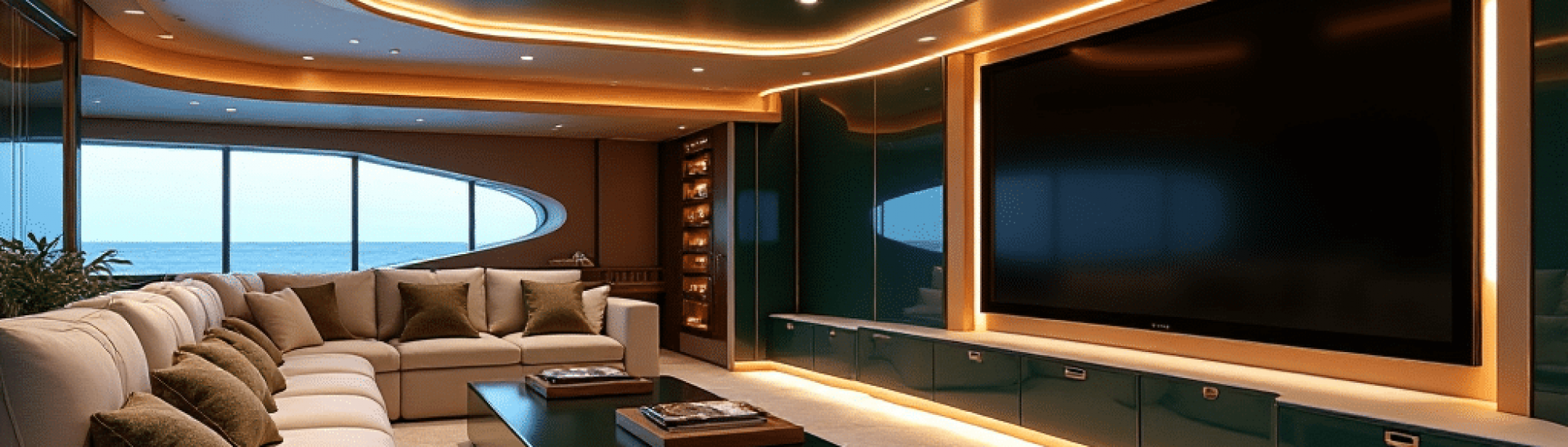
SEO-optimised guide: blackout systems for home cinemas – selection, comparison and bespoke solutions
A perfect home cinema depends on absolute image stability, controlled light and a well-balanced room atmosphere. Blackout systems play a key role – technically, functionally and aesthetically. In this article, you will learn which systems are available, how to choose the right solution and why bespoke blackout should be part of a holistic home cinema design.
Contents
- What requirements does a home cinema place on blackout systems?
- Which blackout systems are available for home cinemas?
- Comparison of common blackout systems
- Planning: how to choose the right system
- Bespoke home cinema blackout with Schwanekamp Interior
- Customer example: an exclusive home cinema with an integrated blackout solution
- Next step: individual consultation and appointment
What requirements does a home cinema place on blackout systems?
A home cinema is clearly different from a conventional living space. Light is not merely reduced; it is controlled precisely. The key factors are:
Light exclusion and contrast
The more powerful the projector or display, the more sensitive the image is to ambient light. Even small gaps around windows reduce black levels and colour depth. A high-quality blackout system should therefore:
- achieve near-total blackout, including during the day
- technically minimise lateral and upper light gaps
- reduce reflections on walls and frame surfaces
Acoustics and the feel of the room
Textile blackout elements can diffuse sound and improve reverberation times. In a premium home cinema, blackout can therefore be ideally combined with acoustic optimisation – for example through integrated absorbers or specially constructed fabrics.
Comfort, smart home and safety
Modern home cinemas are often integrated into smart-home systems. Useful functions include:
- Scene control: ‘Cinema start’ dims the lights, closes the blackout system and starts the technology
- Time programmes: automatic shading to protect against UV radiation and heat build-up
- Remote access: app control, remote maintenance and fault notifications
Which blackout systems are available for home cinemas?
Blackout blinds with side channels
A classic for the home cinema: technically sophisticated fabric blinds with cassette and channel systems. Their advantages include high light exclusion, understated design and good integration into existing window openings.
Blackout curtains and wall coverings
Heavy, densely woven fabrics can completely cover windows while also serving as a design element. Combined with flush-fitted tracks or concealed curtain boxes, they create a cinematic overall impression.
Venetian blinds, louvre systems and shutters
Variable systems that allow daylight to be dosed are suitable for rooms with mixed uses in which the home cinema is only one function. For genuine cinema nights, these are often combined with a secondary blackout layer.
Fixed internal blinds and panel systems
Dedicated home cinemas without a need for daylight often use permanently installed, panel-like blackout systems. These can be integrated seamlessly into wall panelling, acoustic panels or furniture.
Comparison of common blackout systems
System comparison by function and area of use
Overview
- Rooms dedicated exclusively to cinema benefit from permanently integrated solutions with maximum light exclusion.
- Living spaces with a home cinema function require flexible systems with a discreet visual appearance.
Functional comparison
- Blackout blinds: very good light exclusion, ideal for retrofitting and easy to automate.
- Blackout curtains: significant light reduction, acoustic benefits and a strong design impact.
- Venetian blinds/louvres: highly variable, but rarely suitable for cinema use on their own; useful as the first shading layer.
- Fixed panel systems: maximum integration, particularly for new-build or complete refurbishment projects.
Indicative comparison
Light exclusion (general tendency)
- Fixed panel systems: very high
- Blinds with side channels: high
- Heavy curtains: medium to high, depending on tracking and overlap
- Venetian blinds/louvres: medium
Design freedom
- Curtains and wall coverings: very high, with a wide choice of colours, textures and pleat styles
- Panel systems: high, with wood, metal, textile or specialist surface finishes
- Blinds: medium to high, with different textures, colours and technical fabrics
- Venetian blinds/louvres: medium
Smart-home integration
- Motorised blinds, panel systems and shutters: very easy to integrate
- Motorised curtains: easy to integrate
- Manual systems: limited
Planning: how to choose the right blackout system
Analyse the room type, window geometry and use
It is crucial to determine whether the room is a dedicated cinema, a multifunctional space or a representative living room with cinema facilities. Complex window shapes, sloping ceilings or large glazed façades require bespoke solutions and precise planning.
Integration into interior architecture and technology
In demanding projects, blackout is integrated into the overall planning at an early stage:
- integration into wall and ceiling panelling
- coordination with acoustic modules, speakers and lighting
- concealment of technical components such as boxes, tracks and motors
Material selection, sustainability and tactility
For a premium home cinema, material quality, sustainability and tactility play a central role. High-quality fabrics, precisely finished surfaces, sustainable wood-based materials and low-emission lacquers enhance both the indoor climate and the value of the overall concept.
Bespoke home cinema blackout with Schwanekamp Interior
Traditional craftsmanship meets modern interior technology
Schwanekamp Interior in Vreden-Lünten has stood for exclusive, bespoke interiors since 1905 – from luxurious living spaces and libraries to sophisticated home cinemas. In its own manufactory, more than 100 specialists combine traditional craftsmanship with state-of-the-art interior and manufacturing technology.
Our strengths in home cinema blackout:
- bespoke integration of blackout into walls, ceilings and furniture
- precise project planning from the initial sketch through to installation
- 3D visualisation and, on request, VR presentations of the room and lighting effects
- close coordination with architects, interior designers and technology partners
A five-stage process for your individual home cinema
- Concept development: analysis of the room, light, acoustics and use; development of a holistic home cinema concept including blackout.
- Project management: one dedicated contact coordinates all trades, schedules and interfaces.
- Visualisation: detailed drawings, 3D models and optional VR to experience lighting effects and the room atmosphere in advance.
- Production: manufacture of the blackout systems and associated built-in elements using modern machinery and meticulous handcraft.
- Installation: installation by the teams who manufactured your components – for maximum precision and reliability.
Customer example: an exclusive home cinema with an integrated blackout solution
Initial situation
A demanding private client wanted a home cinema in a luxury residence that could be transformed at the touch of a button from a light-filled living space into a perfectly controlled cinema room – without visible technology and with the highest material quality.
Schwanekamp Interior’s solution
- planning concealed, motorised blackout systems within wall and ceiling panelling
- combination of bespoke blinds with side channels and heavy, space-defining curtains
- coordination of fabrics and surfaces with the other furniture and wall panels
- integration into the home’s smart-home scenes, such as ‘Cinema’, ‘Daylight’ and ‘Lounge’
The result: a room that feels representative and open during the day and transforms within seconds into a uncompromising home cinema with controlled residual light, optimised acoustics and a harmonious atmosphere.
Next step: individual consultation and appointment
A successful home cinema is created when blackout, acoustics, furnishings and technology are conceived as one. Bespoke blackout systems are a central element – technically precise, aesthetically integrated and tailored to your use. Schwanekamp Interior supports you from the first idea through to perfect implementation in your home.
If you would like to plan your home cinema professionally or refine an existing concept, our interior specialists will be happy to assist you. Arrange an appointment via the contact form, by telephone on +49 (0) 2564 9373 800 or by email at service@schwanekamp.net. Opening hours: Monday–Thursday 08:00–15:30, Friday 08:00–14:30.
Call to action: Arrange an appointment with an interior specialist today!