


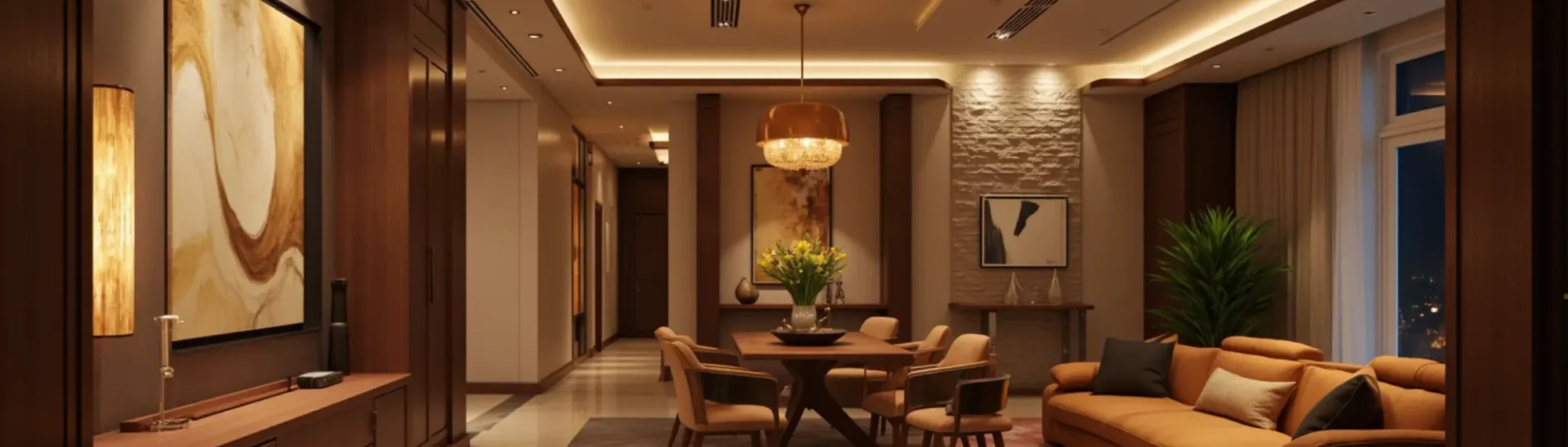
Haute Couture for Seating Comfort: Upholstery Materials in High-End Interior Design
Upholstery materials determine how comfortable, durable and refined a piece of furniture feels. In premium interior design, the question goes far beyond “soft or firm”. This article explains the available upholstery materials, their differences and the aspects discerning clients, architects and interior designers should consider when seating comfort and aesthetics are to work in perfect harmony.
Contents
- Fundamentals: What defines high-quality upholstery?
- An overview of upholstery materials
- Comparison: which material for which application?
- Upholstery in the luxury segment: trends and requirements
- How Schwanekamp Interior uses upholstery materials in projects
- Next step: advice on upholstery materials and interior design
What defines high-quality upholstery in interior design?
In the premium segment, upholstery means the precise coordination of several layers: the supporting structure, suspension, upholstery material, cover layer and outer fabric. Quality is evident not only when sitting down for the first time, but after years of intensive use.
- Comfort: ergonomic support rather than mere softness
- Shape retention: furniture keeps its contour without sagging
- Durability: dependable even under heavy use over many years
- Acoustics: particularly relevant in home cinemas, libraries and yachts
- Aesthetics: precise edges, even surfaces and invisible transitions
- Sustainability: resource-conscious materials and durable constructions
For bespoke solutions—whether a sofa landscape, lounge chair or yacht interior—materials are individually matched to use, indoor climate and design concept.
Which upholstery materials are available, and how do they differ?
Foams: the versatile all-rounder
Polyurethane foam (PU) is the modern standard in high-quality furniture making. Available in a range of densities and firmness levels, it can be tailored precisely to the desired seating feel.
- Advantages: highly formable, reproducible and suitable for layered constructions
- Quality indicator: density—the higher it is, the more durable and stable the foam
- Typical applications: sofas, armchairs, upholstered headboards, wall panels and yacht lounges
Premium interiors often use multi-layer foam structures: a stable support foam, softer comfort layers above it and, in some cases, toppers that create a project’s signature comfort.
Cold foam and high-resilience foam
Cold foam (HR foam) offers excellent point elasticity and breathability.
- Advantages: high seating comfort, strong recovery and suitability for intensive use
- Applications: premium seating, sofa beds, hotels and yacht areas
In luxury settings, HR foams are often combined with fleece layers or spring cores to create differentiated comfort, from soft lounge seating to a firmer, more formal feel.
Spring cores and suspension
Spring systems form the base beneath the upholstery in many concepts:
- Nosag springs: steel zig-zag springs for lasting sofa elasticity
- Pocket springs: point-elastic and especially comfortable for seating and reclining
- Elastic webbing: an alternative suspension for lightweight constructions, for example on yachts
The art lies in coordinating suspension and foam layers to achieve the intended character without noise, bottoming out or visible deformation.
Natural upholstery materials
In sustainable, ecologically oriented concepts, natural fillings are used increasingly:
- latex (rubber)
- coconut fibre
- plant-based fleeces, for example corn or hemp
- wool as a cover layer
They are particularly suitable where sustainability and a distinctive tactile experience are required, such as private retreats, spa areas and boutique projects.
Cover layers and comfort layers
In addition to the core, cover layers decisively influence the final seating feel:
- synthetic fleeces for even surfaces
- soft-touch top foams for velvety comfort
- special acoustic foams in home cinemas or libraries
For large upholstered wall and ceiling panels, a precise material combination creates visual calm, good acoustics and a pleasant touch.
Which upholstery material suits which application?
The selection always depends on use: living room, representative reception area, home cinema or yacht. Each setting has specific requirements for comfort, resilience and climate resistance.
| Upholstery build-up | Comfort | Durability | Typical application |
|---|---|---|---|
| Medium-density PU foam | Balanced | Medium to high | Living-room sofas, chairs, headboards |
| Cold foam + Nosag springs | Very comfortable | High | Premium sofa landscapes, lounges |
| Pocket springs + foam layers | Outstandingly comfortable, point-elastic | Very high | Luxury sofas, longchairs, daybeds |
| HR foam + soft topper | Soft, enveloping | High | Home-cinema chairs, relaxation furniture |
| Natural fibres + latex | Firm to medium-firm | High | Sustainable concepts, spas, boutique interiors |
Practical selection criteria
- Living and sleeping areas: a balanced combination of comfort and shape retention, for example cold foam with spring support
- Representative rooms and offices: firmer seating for an upright posture and high resilience
- Home cinemas and lounges: deeper seats, softer construction and acoustic optimisation
- Yacht interiors: lightweight, moisture-resistant materials, secure fixings and robust substructures
Upholstery materials in the luxury segment: trends, sustainability and technology
Current upholstery design trends
- Organic forms: flowing seating landscapes with complex radii require highly precise foaming and cutting.
- Clean luxury: reduced forms with exceptionally fine materials, precise seams and flawless surfaces.
- Natural colours and materials: warm, muted tones and sustainable upholstery structures for timeless elegance.
Sustainability in upholstery
Sustainability is expressed not only in the material but in the full construction:
- high-quality, long-lasting foams reduce replacement cycles
- certified, responsibly produced materials are selected
- modular constructions can later be refurbished or adapted
Smart home and integrated technology
In high-end projects, upholstered furniture increasingly incorporates technology—motorised elements, integrated lighting or sound. This requires exact planning of cable routes and technical voids, stable yet flexible materials around moving parts, and suitable foams and underlays for vibration and noise damping.
How Schwanekamp Interior uses upholstery materials in exclusive projects
Schwanekamp Interior, based at Wesker 40, 48691 Vreden, has combined German craftsmanship with state-of-the-art interior-design technology since 1905. Upholstered furniture and upholstered wall or ceiling solutions are key elements in luxurious living spaces, bedrooms, libraries, home cinemas and yacht interiors.
Our approach: everything from one source
- Consultation and concept: analysis of use, spatial effect and comfort expectations
- Material selection: recommendations for suitable constructions, from cold foam and spring cores to acoustic foams
- 3D visualisation and VR: comfort zones, shapes and proportions can be experienced before production
- Manufacture: precise execution by specialist teams, from cutting to final upholstery work
- Installation: carried out by the specialists who made the furniture, ensuring a perfect on-site fit
Whether it is a luxurious sofa with motorised functions, acoustically optimised cinema seating or space-efficient yacht lounges, close collaboration between planning, project management and workshop produces comfort that precisely suits the interior concept.
Next step: which upholstery materials suit your project?
Upholstery materials determine the comfort, longevity and character of your interior. From foam density and spring construction to sustainable alternatives, every component should match your requirements—in a home, representative commercial setting or aboard a yacht. If you seek Haute Couture-level seating comfort, Schwanekamp Interior supports you from the first idea through installation. Arrange an appointment via the contact form, call +49 (0) 2564 9373 800 or email service@schwanekamp.net. Opening hours: Monday–Thursday 08:00–15:30, Friday 08:00–14:30.